
Metal laminate (also known as metallic laminate) is a decorative surfacing material that bonds a thin layer of real metal to a phenolic or kraft paper core. It combines the premium appearance and texture of solid metal with the lightweight, easy-to-install nature of high-pressure laminates (HPL).
Common Types and Finishes
Metal laminates are typically available in various metals and specialized textures to suit different design aesthetics:
- Aluminum: The most popular choice due to its versatility; available in brushed, polished, anodized, or even mirror finishes.
- Copper and Brass: Used to provide warm, luxury tones; often feature hand-rubbed, antiqued, oxidized, or patina effects.
- Stainless Steel: Highly durable and ideal for industrial or modern styles, though often more rigid than aluminum.
- Specialty Textures: Includes embossed, corrugated, woven, and hammered patterns that play with light and shadow.
Primary Applications
Because metal laminates are thinner and lighter than solid sheets, they are used extensively in interior architecture:
- Vertical Surfaces: Wall coverings (lobbies, receptions), column covers, and room dividers.
- Furniture & Cabinetry: Faucets, cabinet fronts, drawer pulls, and retail display fixtures.
- Commercial Spaces: Widely specified for hotels, restaurants, airports, and elevators.
Key Benefits and Limitations
| Feature | Details |
|---|---|
| Durability | Resistant to impacts, stains, and heat. |
| Maintenance | Easily cleaned with a soft cloth and mild soap or window cleaner. |
| Installation | Can be fabricated using standard woodworking tools and bonded to common substrates like MDF or plywood. |
| Limitations | Primarily for vertical use; not recommended for heavy-duty horizontal surfaces like kitchen countertops as they can scratch or dent. |
Related Posts
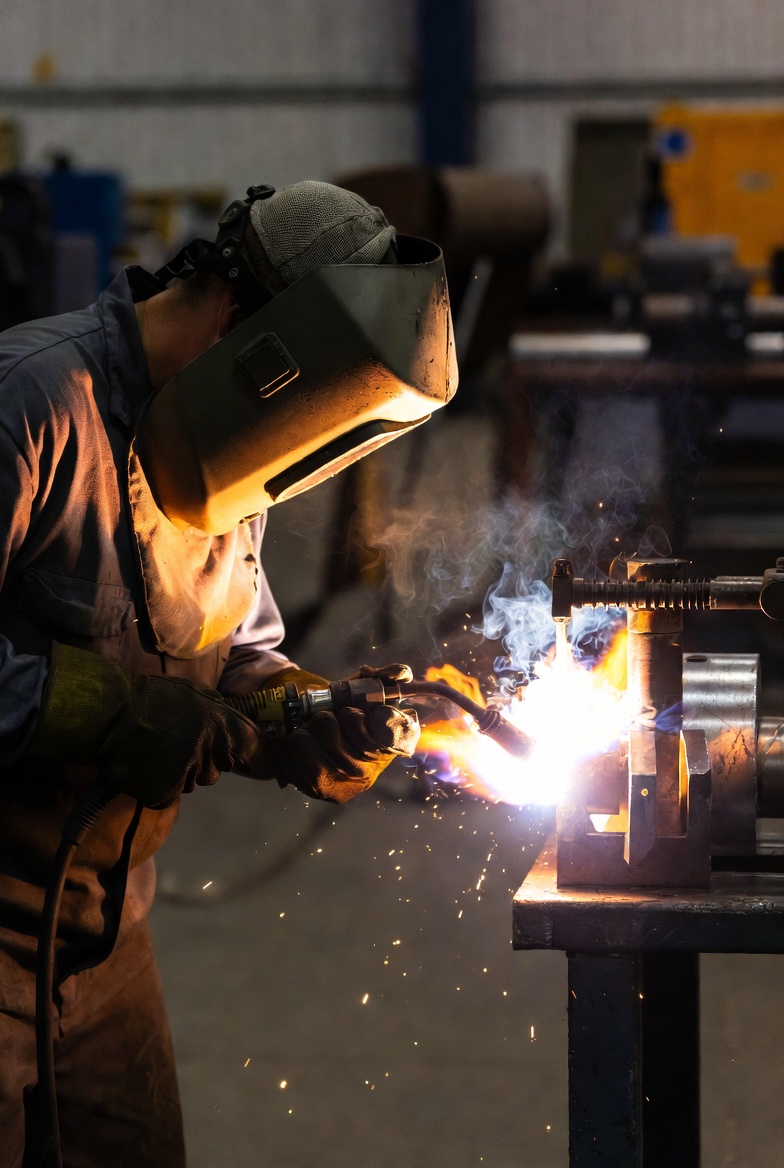
Magnesium Welding
Get a Cuote Welding magnesium is very similar to welding aluminum, but…
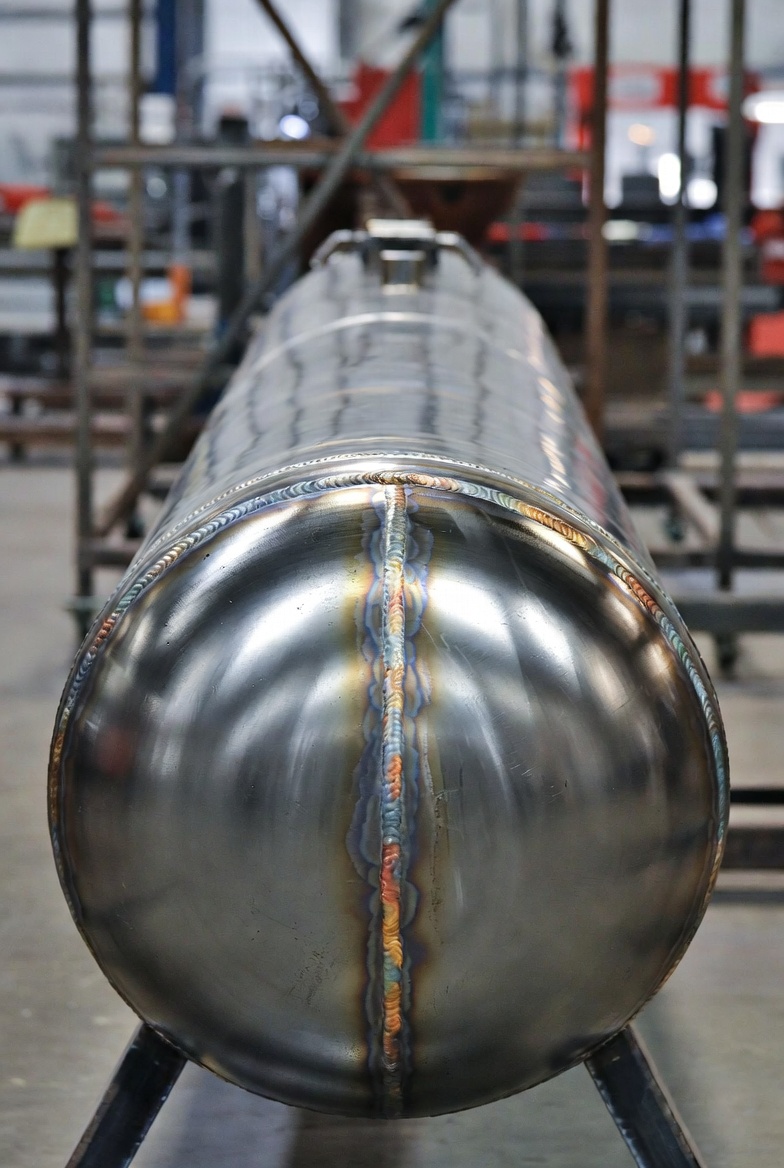
Pressurized tanks construction
Get a Cuote The construction of pressurized automotive fuel tanks (often used…
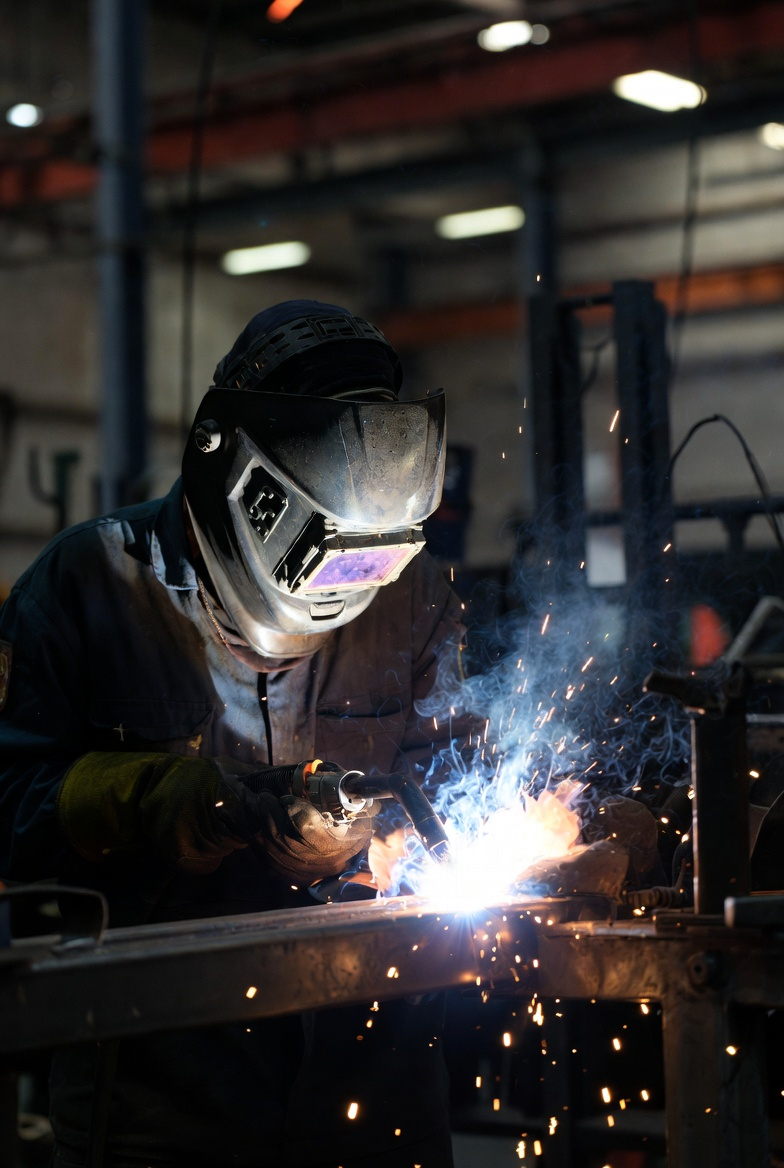
General Welding
Get a Cuote "General welding" usually refers to the most…