

Metal milling is a subtractive manufacturing process where a rotating cutting tool removes material from a metal workpiece. Unlike a lathe (where the part spins), in milling, the tool rotates at high speeds while the workpiece is secured to a table.
Key Types of Metal Milling
- Vertical Milling: The spindle axis is vertical (perpendicular to the table). This is the most common setup for cutting slots, holes, and complex 3D shapes.
- Horizontal Milling: The cutter is mounted on a horizontal arbor. This setup is sturdier and better for heavy material removal or cutting deep grooves.
- CNC Milling (Computer Numerical Control): Modern machines use computer software (CAD/CAM) to automate the movements, allowing for extreme precision and 5-axis complexity.
Common Cutting Tools
- End Mills: The “drill bits” of milling. They can cut both axially (down) and laterally (sideways).
- Face Mills: Large-diameter tools used to flatten the top surface of a metal block quickly.
- Ball Nose Mills: Tools with a hemispherical end, used for carving smooth, curved surfaces or 3D contours.
Materials and Challenges
- Aluminum: Easy to mill, fast speeds, but can “gum up” the tool if not lubricated.
- Steel/Stainless Steel: Much harder; requires slower speeds, high torque, and often coolant to manage heat.
- Titanium: Very difficult to mill because it is tough and holds onto heat, which can destroy cutting tools quickly.
Essential Concepts
- Feeds and Speeds: The “Speed” is how fast the tool spins (RPM), and the “Feed” is how fast the table moves the metal into the tool. Getting this balance right prevents tool breakage.
- Chip Load: The thickness of the metal flake (chip) removed by each tooth of the cutter.
- Coolant/Lubricant: Essential in metal milling to wash away chips and prevent the tool from overheating.
Related Posts

Lamination
Get a Cuote Metal laminate (also known as metallic laminate) is…
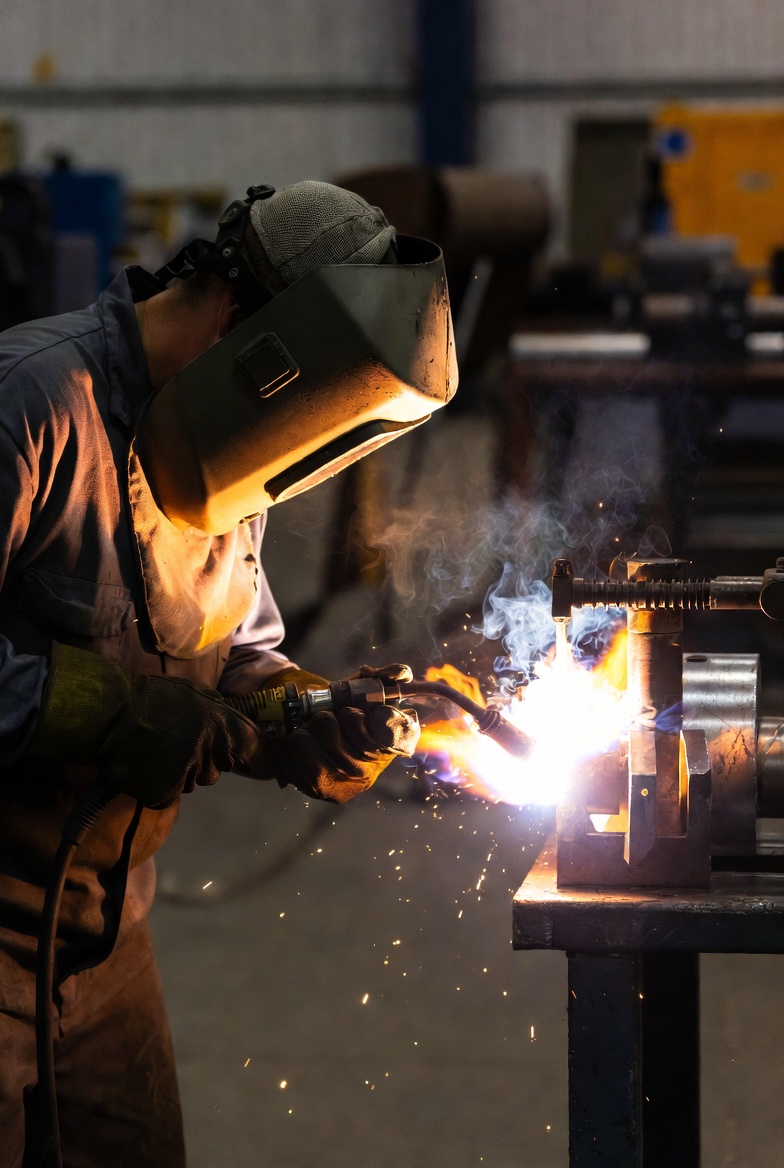
Magnesium Welding
Get a Cuote Welding magnesium is very similar to welding aluminum, but…
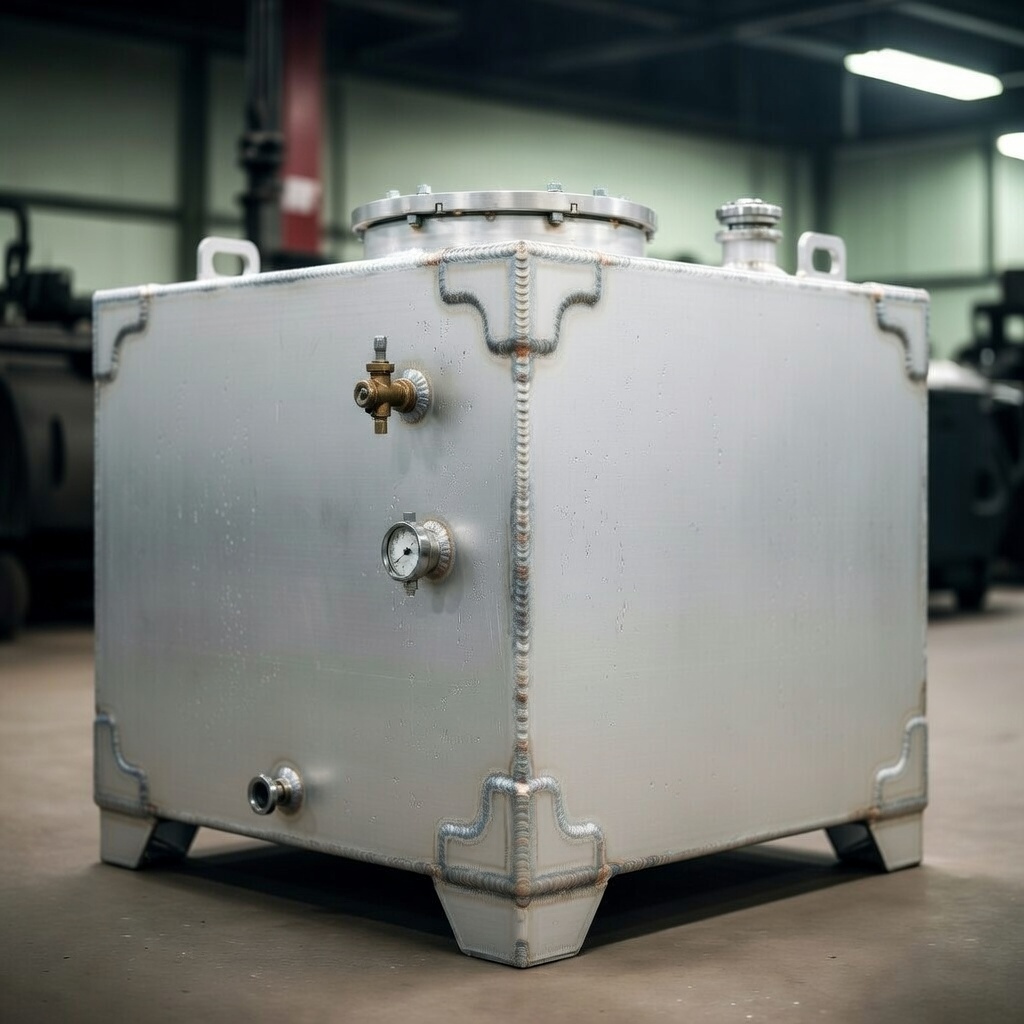
Marine fuel tanks construction
Get a Cuote The construction of marine fuel tanks is governed by…