14 March, 2026
0 Comments
2 categories
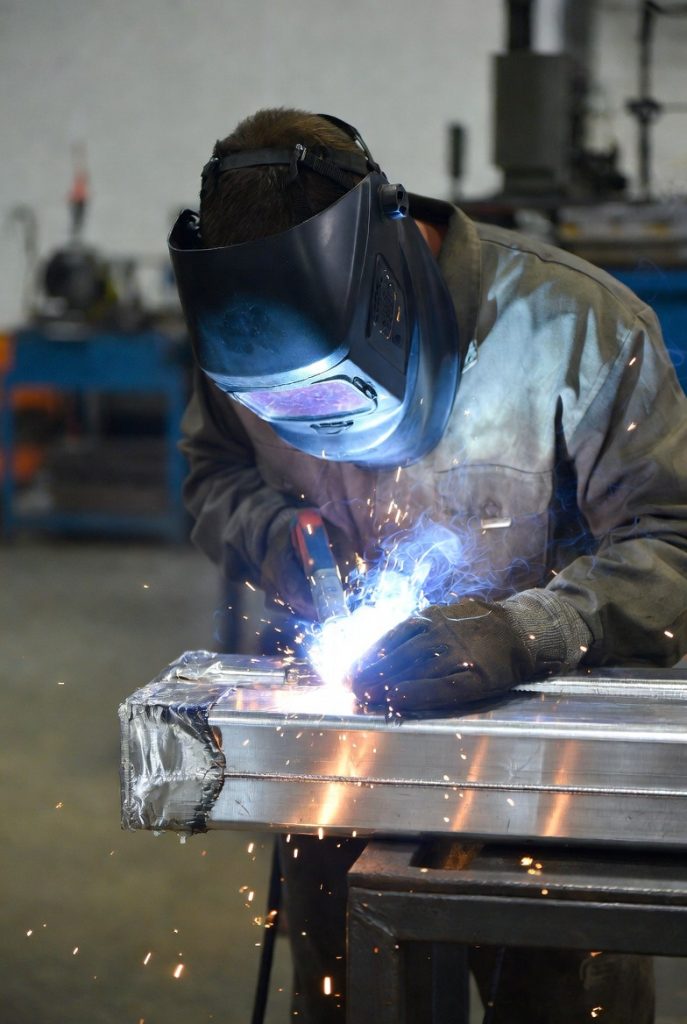
Welding aluminum is a bit of a “beast” compared to steel because it melts at a low temperature, but its surface oxide layer requires much higher heat to break through. It also dissipates heat very quickly.
Here’s the breakdown of how it’s done:
1. TIG Welding (The “Gold Standard”)
This is the most common method for high-quality aluminum work.
- Why it’s used: It provides the most control and the cleanest aesthetic (the “stack of dimes” look).
- Key Requirement: You must use a machine with AC (Alternating Current) output. The AC cycle “cleans” the oxide layer off the metal while you weld.
- Difficulty: High. It requires using both hands (torch and filler rod) and a foot pedal to manage the heat.
2. MIG Welding (The “Production” Method)
Best for long joints or thicker materials.
- The Feeding Issue: Aluminum wire is very soft and often tangles inside the machine (called a “bird’s nest”).
- The Fix: Most pros use a Spool Gun (a torch with its own tiny wire roll) or a Push-Pull system to keep the wire moving smoothly.
- Gas: You need 100% Pure Argon.
3. Pro Tips for Success
- Extreme Cleanliness: Aluminum is very sensitive to contamination. Use a stainless steel wire brush that has only been used on aluminum. If it touched steel before, it will ruin your weld.
- Travel Speed: You have to move much faster than with steel. Once the aluminum gets hot, the “puddle” can fall through the metal instantly if you linger.
- Preheating: For thick pieces, preheating the metal slightly helps the weld penetrate better since aluminum “steals” the heat so fast.
Quick Comparison
| Method | Finish | Speed | Difficulty |
|---|---|---|---|
| TIG | Beautiful/High-end | Slow | High |
| MIG | Functional/Strong | Very Fast | Medium |
| Brazing | Basic/Repair | Medium | Low |
Category: All, Welding Services
Related Posts
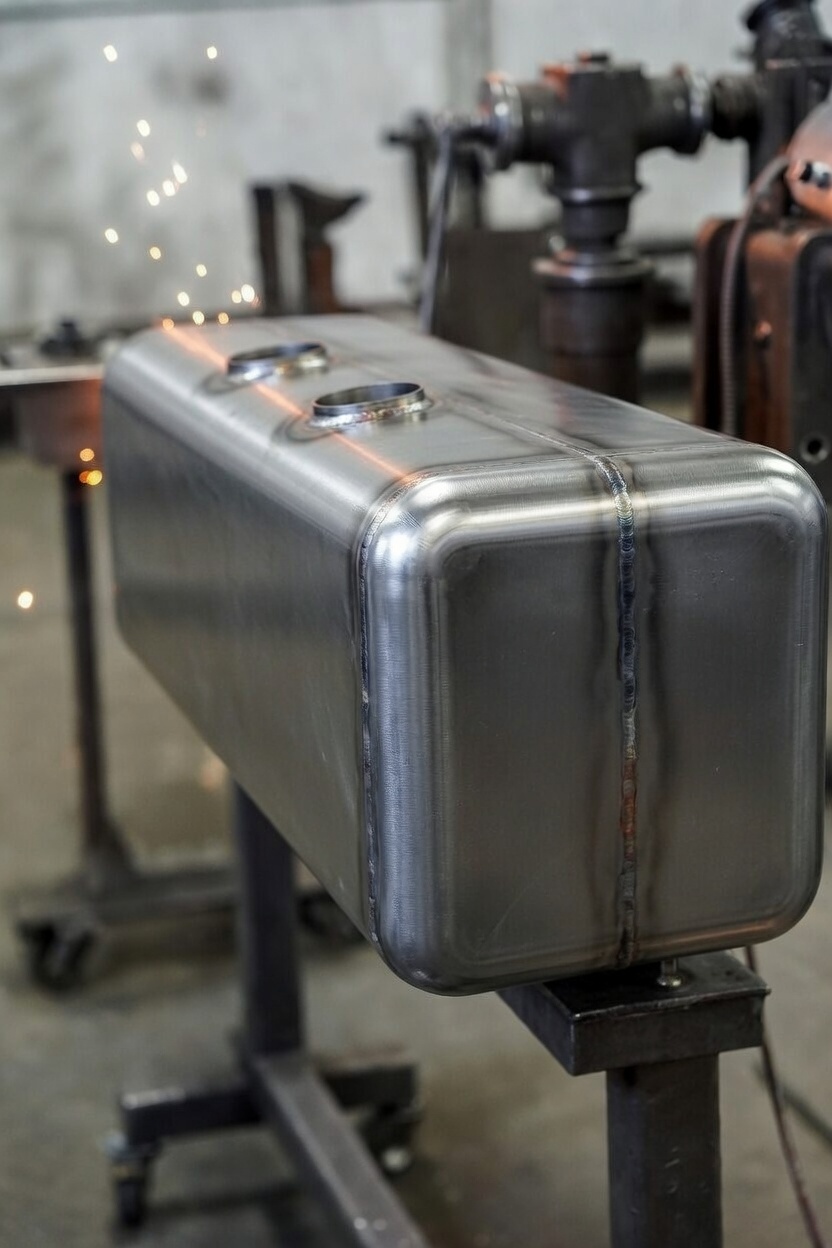
Automotive fuel tanks construction
Get a Cuote Automotive Metal Fuel Tank Construction The construction…