Automotive Metal Fuel Tank Construction
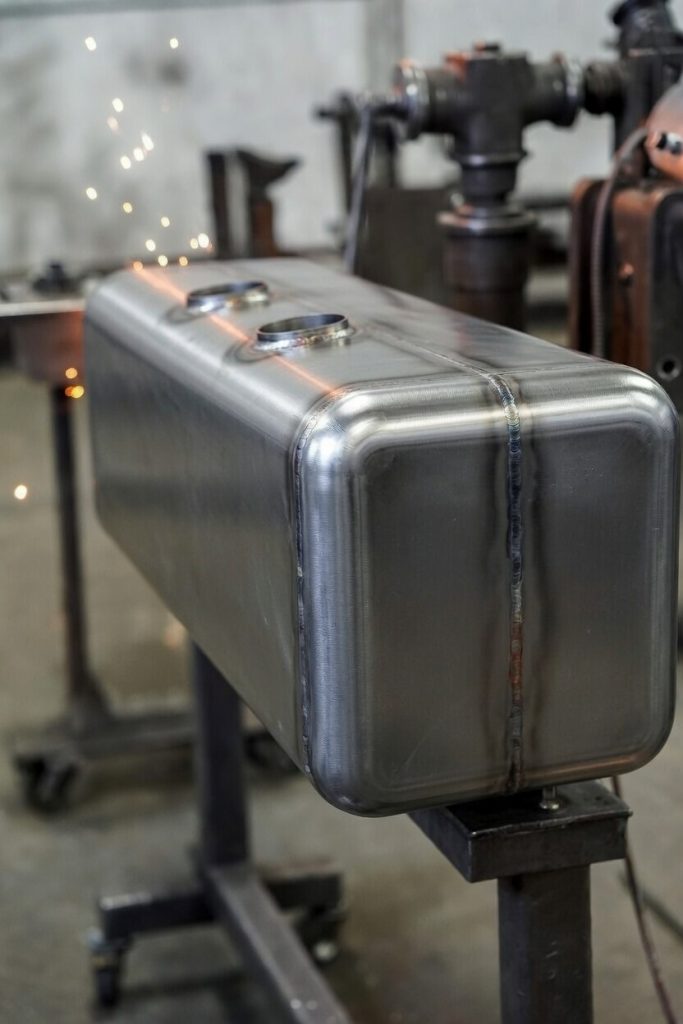
The construction of metal fuel tanks for automobiles is a precision engineering process that prioritizes structural integrity and crash safety. While plastic tanks are common today due to their light weight, metal (steel and aluminum) remains essential for high-performance vehicles, classics, and custom applications due to its robustness and dimensional stability.
1. Construction Materials
Manufacturers select metals based on the balance between weight, cost, and corrosion resistance:
- Steel: The most widely used material due to its cost-effectiveness and high strength. To combat its main weakness—corrosion—pre-painted steels or special coatings like terne plate (a lead-tin alloy) are used.
- Aluminum (especially 5052 alloy): Preferred in motorsports and custom vehicles. It is approximately 30% lighter than steel and possesses superior natural corrosion resistance, eliminating the need for internal coatings.
- Stainless Steel: Primarily used in high-end restorations or marine applications for its extreme durability, though its cost and weight are higher.
2. Manufacturing Process
Industrial manufacturing typically follows these critical steps:
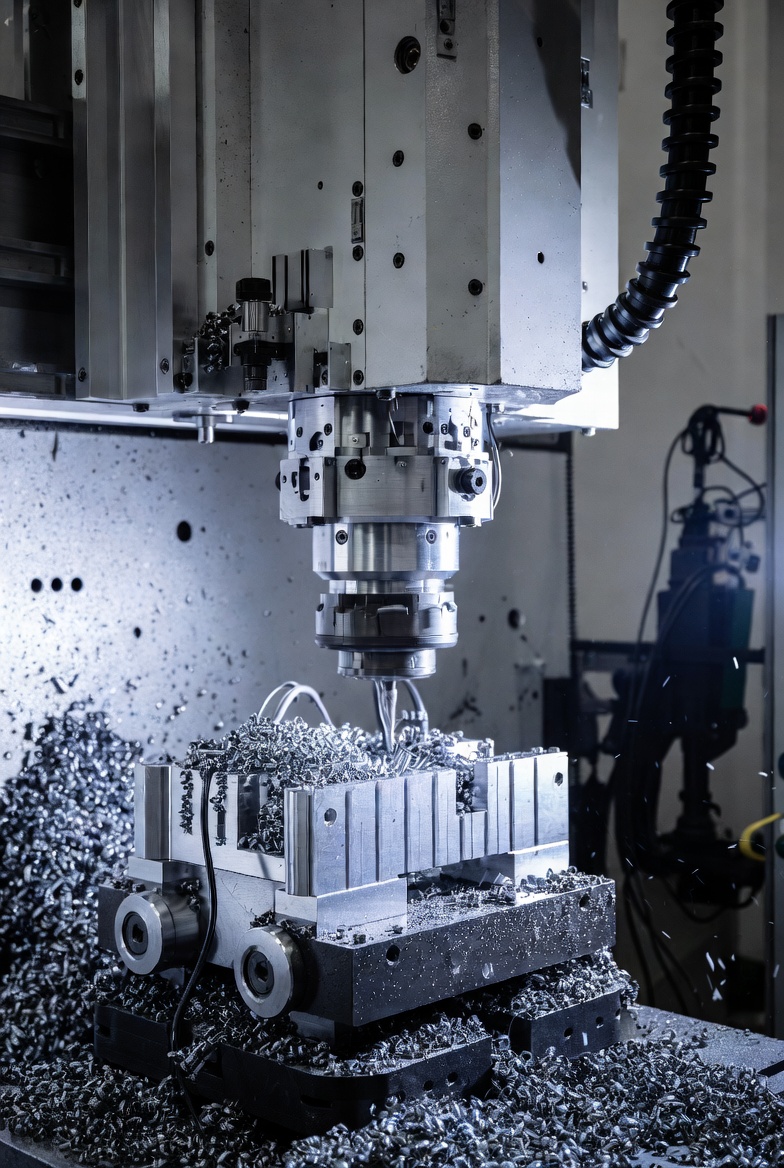
- Stamping: Hydraulic presses are used to shape two halves (shells) from metal sheets. This method allows for complex geometries that fit the vehicle’s chassis.
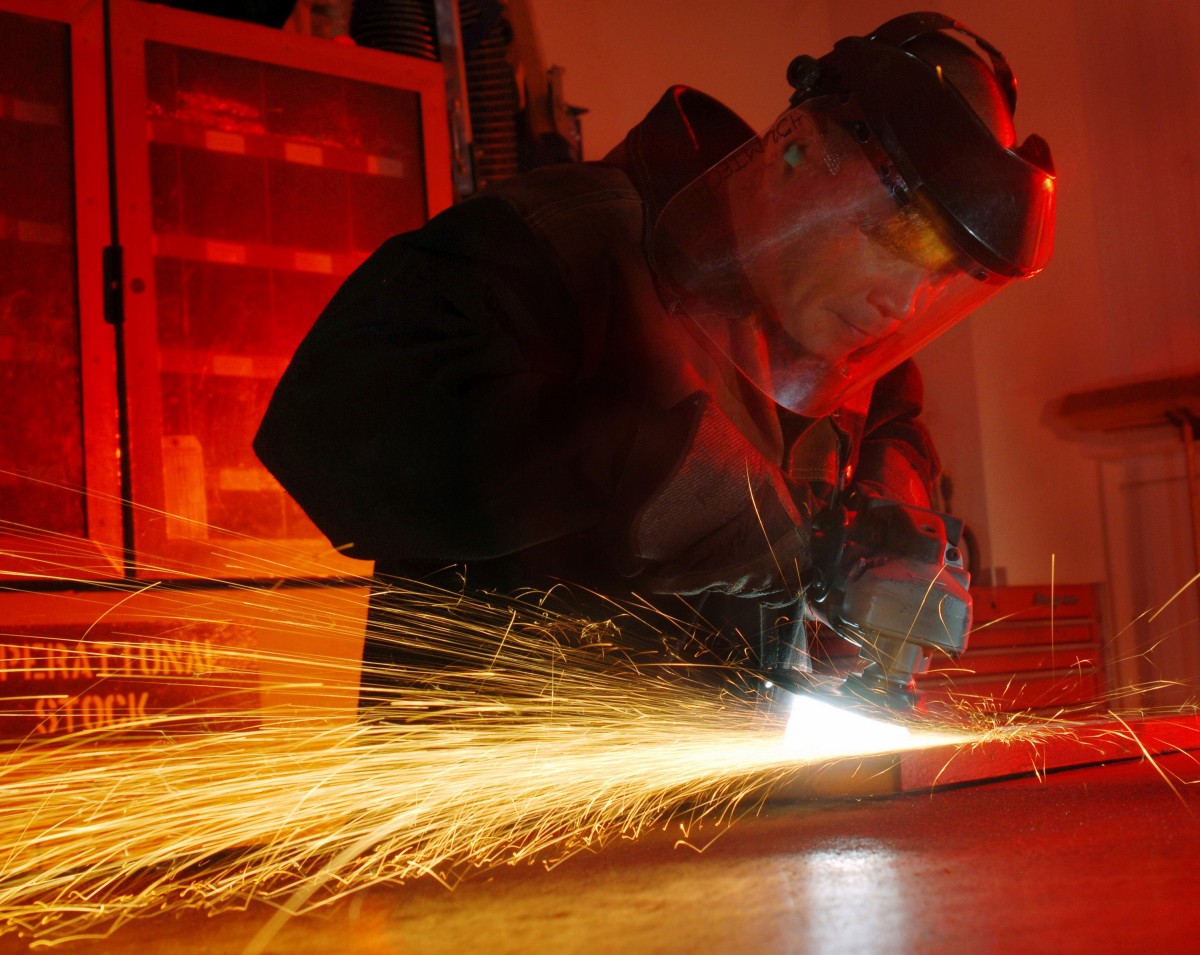
- Seam Welding: The two halves are joined using resistance welding or TIG (Tungsten Inert Gas) welding to ensure a hermetic, leak-free seal.
- Baffle Installation: Before closing the tank, internal partitions called baffles are welded in. These are essential for reducing “sloshing” (violent fuel movement), which improves vehicle stability and prevents the fuel pump from running dry during sharp turns.
- Surface Treatment: Steel tanks usually receive a powder coating or anodized finish to protect the exterior from the elements and road salt.
3. Testing and Safety
Every unit must pass rigorous quality controls:
- Pressure and Leak Testing: The tank is submerged in water while pressurized (usually between 5 and 8 PSI) to detect any bubbles indicating a weld failure.
- Crash Integrity: Unlike plastic, which can deform and regain its shape, metal is designed to absorb energy. Modern metal tanks include internal supports to maintain their shape and prevent catastrophic ruptures during an impact.
Related Posts
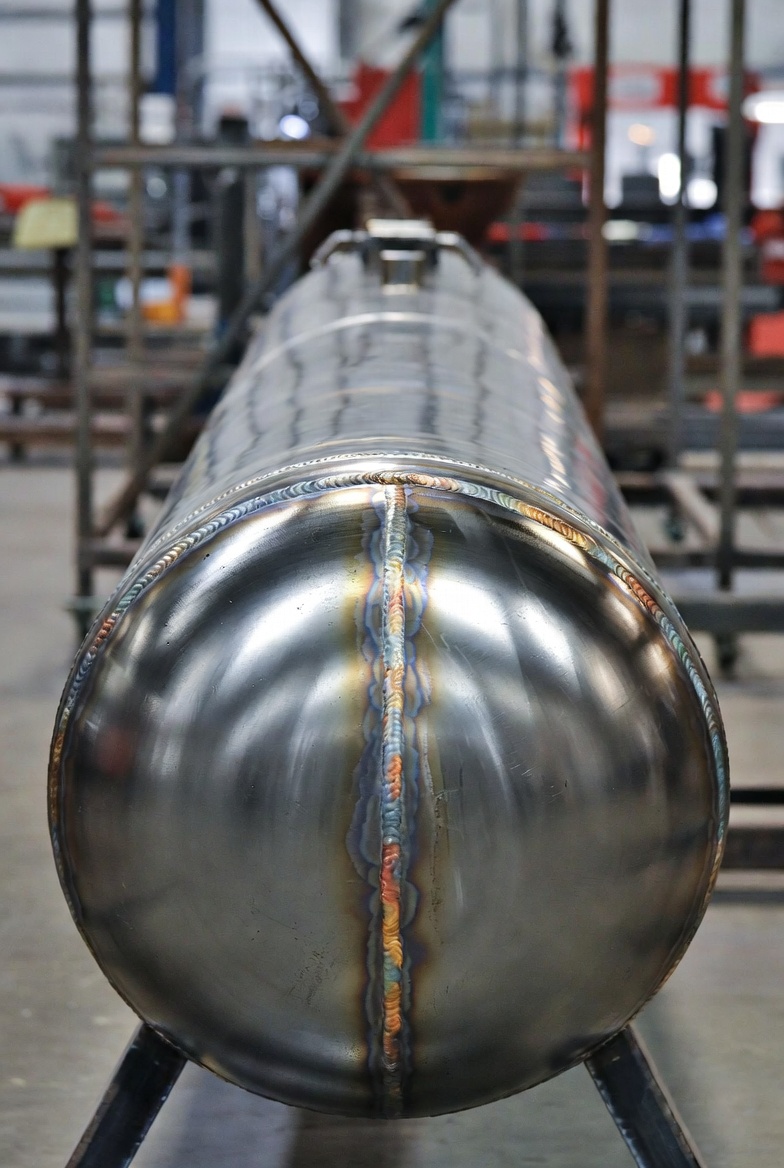
Pressurized tanks construction
Get a Cuote The construction of pressurized automotive fuel tanks (often used…