14 March, 2026
0 Comments
2 categories
Metal surface repair covers everything from structural fixes to cosmetic polishing. Here is a breakdown of the most common methods used in workshops and industrial settings:
1. Cold Repairs (Epoxies and Fillers)
Best for non-structural repairs, filling pits, or fixing “cosmetic” mistakes in a machined part.
- Metal-Filled Epoxies: Often called “Liquid Steel” or “Plastic Steel” (brands like JB Weld or Devcon). These are resins mixed with metal powder.
- Application: You mix the two parts, apply to a cleaned/sanded surface, let it cure, and then sand or mill it flat.
- Best for: Filling holes, cracks in non-pressurized casings, or leveling uneven surfaces.
2. Welding and Resurfacing
The strongest way to repair metal, especially if structural integrity is needed.
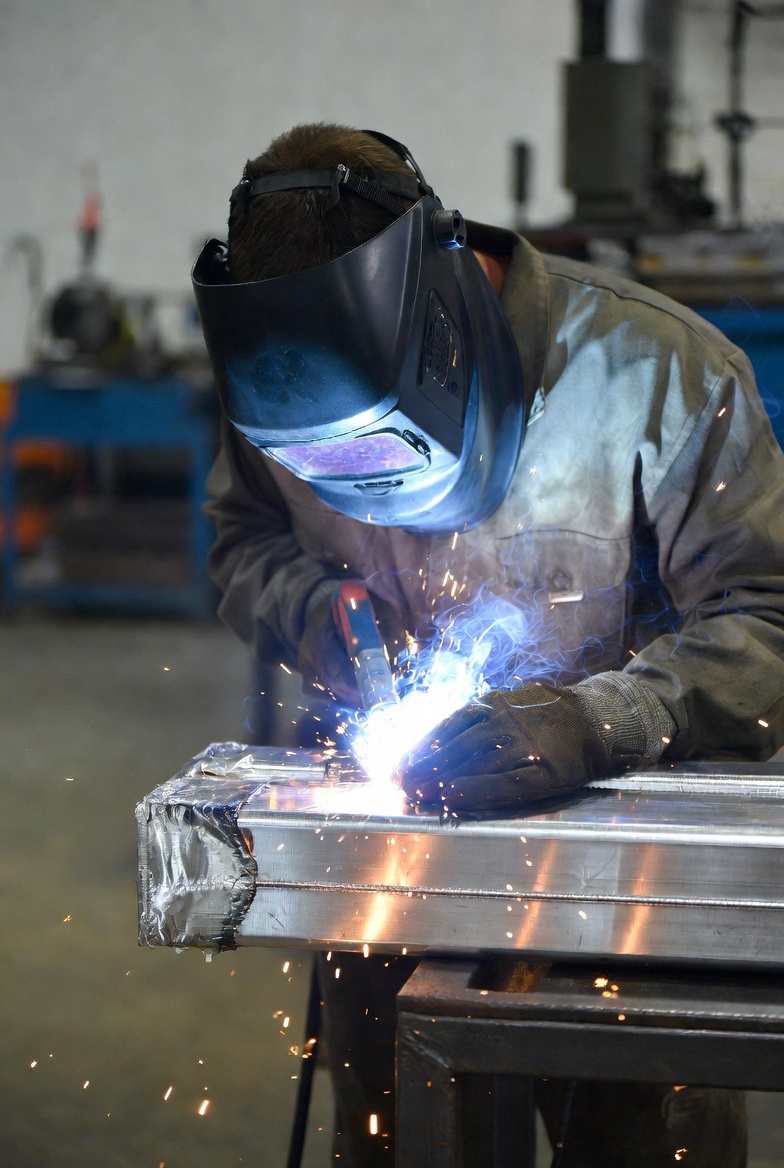
- Padding / Build-up: Using TIG or MIG welding to add layers of new metal to a worn-out area. After welding, the part is usually put back on a milling machine to be cut down to its original dimensions.
- Stitching (Metal Stitching): A specialized “cold” repair for cracked cast iron (like engine blocks) where welding might cause the metal to crack further from heat. It uses high-strength “locks” and “laced” screws.
3. Machining (Skimming)
If the surface has tool marks, scratches, or shallow heat damage:
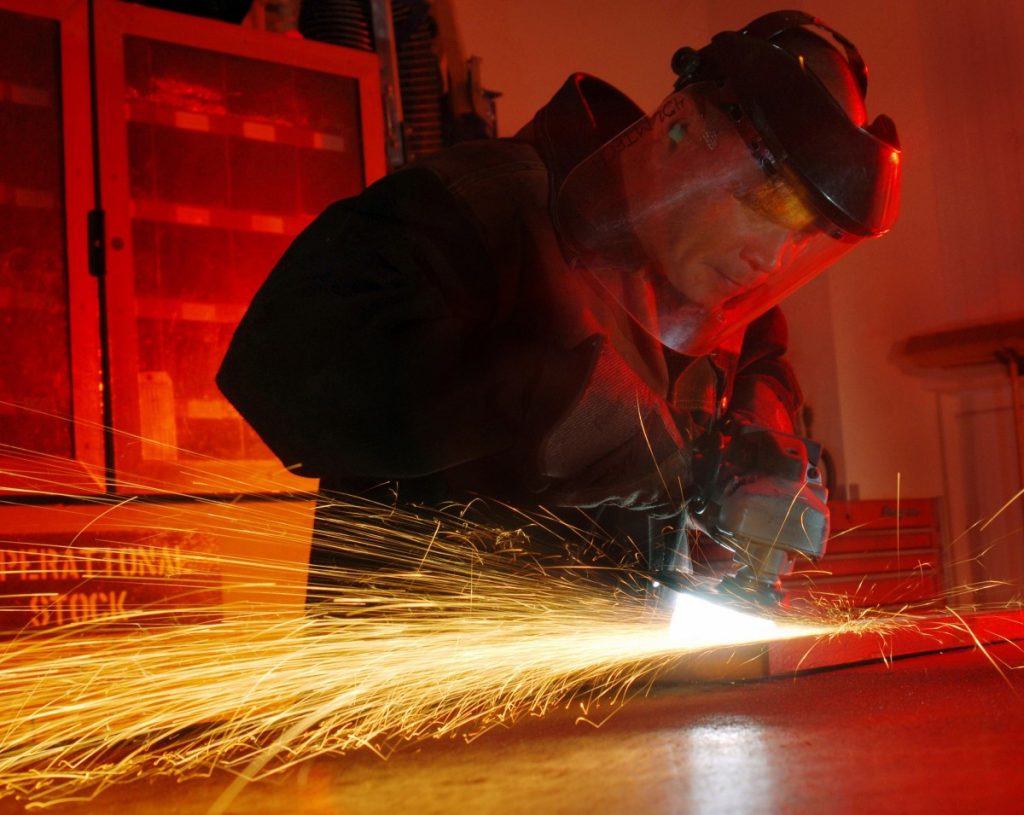
- Surface Grinding: Uses an abrasive wheel to remove a very thin layer (often less than 0.001 inches) to create a perfectly flat, mirror-like finish.
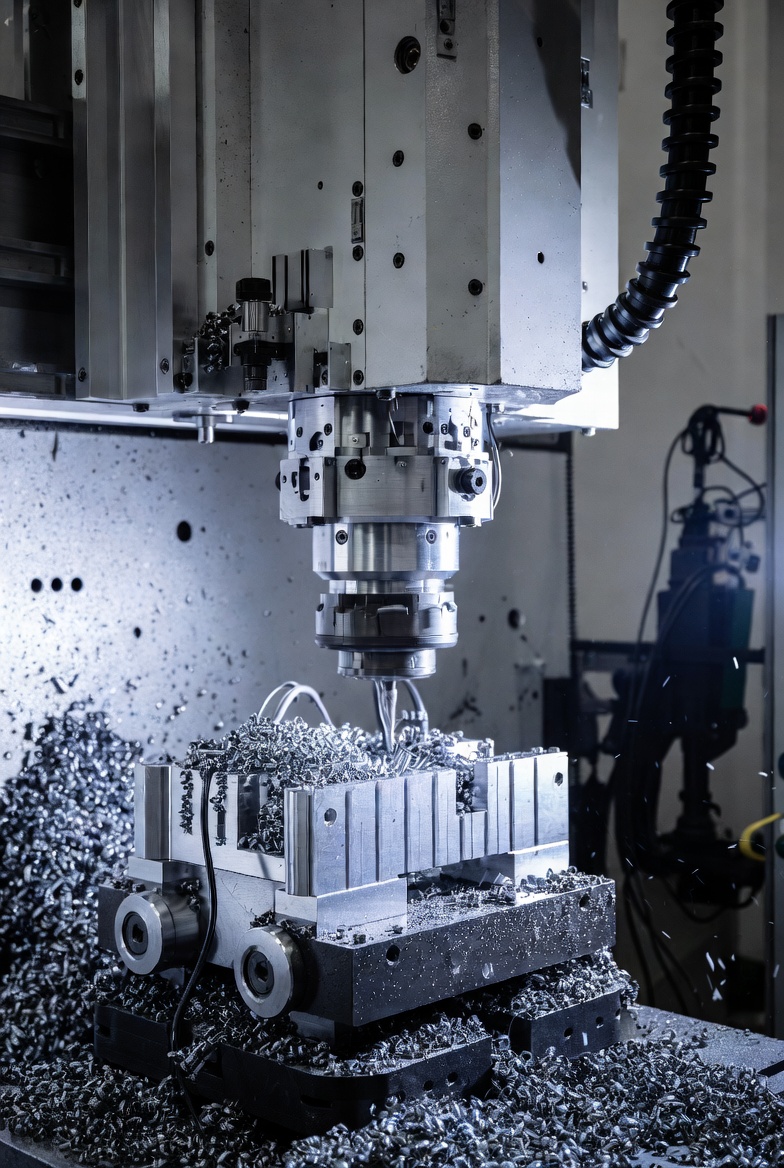
- Fly Cutting / Face Milling: A milling machine takes a shallow “skim cut” across the entire surface to remove damage and ensure the part is flat and square.
4. Polishing and Lapping
For removing very fine scratches or restoring a shine.
- Abrasive Polishing: Moving from coarse sandpaper (400 grit) to very fine (2000+ grit) and finishing with a buffing wheel and polishing compound.
- Lapping: Rubbing two surfaces together with an abrasive paste between them to achieve extreme flatness and a gas-tight seal.
Quick Comparison Table
| Method | Strength | Heat Required? | Best Use Case |
|---|---|---|---|
| Metal Epoxy | Medium | No | Pits, gouges, cosmetic errors. |
| Welding | Very High | Yes | Structural cracks, adding missing metal. |
| Skimming | High | No | Leveling tool marks or warping. |
| Polishing | N/A | No | Removing light scratches/oxidation. |
Category: All, Miscellaneous Services
Related Posts